
bathroom mirror with light behind
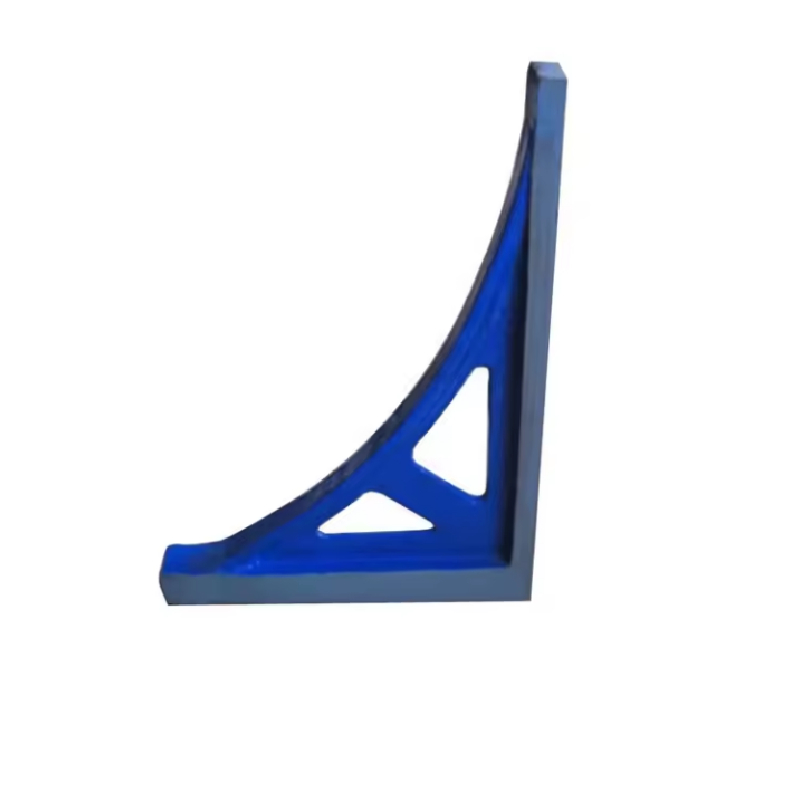
Understanding the Significance of Brace Plate Right Angle Brackets in Structural Engineering In the realm of construction and engineering, the role of seemingly insignificant components often belies their immense importance in ensuring structural stability and integrity. Among these unsung heroes, the brace plate right angle bracket stands out as a vital element in reinforcing joints and connections. This article delves into the intricacies of this component, its applications, and the reasons behind its ubiquitous presence in various engineering projects. **Introduction to Brace Plate Right Angle Brackets** A brace plate right angle bracket, simply put, is a metal plate fabricated into a 90-degree angle shape, designed to provide additional support and reinforcement at joints where two structural members intersect, typically perpendicular to each other. Made from materials like steel or aluminum due to their strength and durability, these brackets are an essential part of a structural engineer's arsenal, enhancing the overall rigidity and load-bearing capacity of a structure. **Functionality and Design Considerations** The primary function of a brace plate right angle bracket is to distribute forces evenly across a joint, thereby reducing stress concentrations that could lead to failure. Its design is meticulously calculated to resist shear, tension, and compression forces, ensuring that the connected members remain steadfast under duress. Key design considerations include the thickness and width of the plate, material strength, and the type of connection it facilitates (e.g., bolted, welded). **Applications Across Diverse Industries** The versatility of brace plate right angle brackets makes them indispensable across numerous sectors 1. **Construction** In buildings, they reinforce connections between beams, columns, and braces, particularly in seismic zones where structures must withstand lateral forces from earthquakes. 2. **Bridge Engineering** Bridges rely heavily on these brackets to strengthen truss connections and support heavy loads while minimizing vibrations **Bridge Engineering** Bridges rely heavily on these brackets to strengthen truss connections and support heavy loads while minimizing vibrations **Bridge Engineering** Bridges rely heavily on these brackets to strengthen truss connections and support heavy loads while minimizing vibrations **Bridge Engineering** Bridges rely heavily on these brackets to strengthen truss connections and support heavy loads while minimizing vibrations brace plate right angle bracket . 3. **Renewable Energy** Wind turbine towers employ these brackets to the tower's lattice structure, ensuring it can withstand high winds and torque from the spinning blades. 4. **Industrial Infrastructure** Factories and warehouses use them in racking systems and mezzanine floors to enhance stability and safety under heavy loads. **Advantages Over Traditional Connection Methods** Compared to traditional joining methods like mortise and tenon or simple bolting, brace plate right angle brackets offer several advantages - **Ease of Installation** Their standardized shapes and sizes facilitate quick and precise installation, reducing construction time and labor costs. - **Adjustability** They allow for some degree of adjustability during assembly, crucial for achieving precise alignments in complex structures. - **Strength and Durability** The use of high-strength materials and precise engineering ensures long-lasting performance even in harsh environments. - **Enhanced Safety** By reinforcing joints, they significantly reduce the risk of structural collapse, enhancing overall safety. **Conclusion** The humble brace plate right angle bracket, though often overlooked, is a cornerstone of modern engineering. Its effectiveness in reinforcing structures, coupled with the ease of implementation and adaptability to various applications, underscores its significance in ensuring safety, longevity, and efficiency in construction projects worldwide. As technology advances and construction practices evolve, the design and application of these brackets will undoubtedly continue to refine, further solidifying their position as a fundamental component in the architectural lexicon. Understanding and appreciating their role is vital for engineers, architects, and constructors alike, as they strive to erect structures that stand the test of time.
about
bathroom mirror with light behind
Understanding Ductile Iron Check Valves A Comprehensive Overview Ductile iron check valves have gained significance in various industrial applications due to their exceptional properties and reliability. These valves are designed to control the flow of fluids in a system, preventing backflow and ensuring smooth operation in pipelines and other fluid-conveying systems. This article delves into the characteristics, advantages, applications, and maintenance of ductile iron check valves. What is Ductile Iron? Before understanding the check valves themselves, it is essential to grasp what ductile iron is. Ductile iron, also known as spheroidal graphite iron, is a type of cast iron that has a unique microstructure. This structure provides enhanced strength, toughness, and ductility compared to traditional cast iron. Its ability to withstand significant mechanical stress makes it an ideal material for manufacturing valves used in demanding conditions. Features of Ductile Iron Check Valves Ductile iron check valves typically have a robust construction, allowing them to operate effectively under high pressure and temperature conditions. Some notable features include 1. Corrosion Resistance Ductile iron can be coated to enhance its resistance to corrosion, prolonging the lifespan of the valve. 2. High Strength-to-Weight Ratio The material provides sufficient strength without being excessively heavy, which makes installation more manageable. 3. Versatile Design Ductile iron check valves come in various designs, including swing, lift, and silent types, catering to different operational needs. 4. Sealing Performance These valves often feature resilient seats, ensuring a tight seal and preventing leaks and backflow. 5. Ease of Maintenance Many designs incorporate features that simplify maintenance, such as removable covers for easy access. Advantages of Ductile Iron Check Valves The use of ductile iron check valves brings several advantages to industrial and municipal applications ductile iron check valve 1. Durability Thanks to the inherent properties of ductile iron, these valves exhibit long service life, reducing the need for frequent replacements . 2. Cost-Effectiveness While the initial cost may be higher than some alternatives, the longevity and reduced maintenance requirements of ductile iron check valves can lead to lower overall operational costs. 3. Safety By preventing backflow, these valves protect pipelines and equipment from damage, enhancing the safety of the entire system. 4. Efficiency Ductile iron check valves facilitate smooth and efficient fluid flow, which is crucial in maintaining system performance and reducing energy consumption. Applications Ductile iron check valves are widely used across various industries, including - Water and Wastewater Treatment They are critical in municipal water systems to prevent contamination and backflow. - Oil and Gas These valves help manage fluid flow and protect equipment in pipelines. - HVAC Systems In heating and cooling systems, check valves ensure proper fluid circulation without backflow. - Fire Protection Systems They are essential in fire suppression systems, allowing for the correct flow of water while preventing reverse flow. Maintenance Considerations To ensure optimal performance, regular maintenance of ductile iron check valves is essential. This involves periodic inspections to check for signs of wear, leaks, and operational issues. Routine cleaning of the valve seats and removal of debris can help maintain effective sealing performance. Additionally, ensuring that the valves are correctly installed in alignment with the flow direction is crucial for their effective operation. Conclusion Ductile iron check valves play a vital role in fluid management systems across various industries. Their unique combination of strength, durability, and versatility makes them a preferred choice for many applications. Understanding their features, benefits, applications, and maintenance requirements enables operators and engineers to optimize their usage, ensuring efficient and reliable system performance. As industries continue to evolve, the demand for high-quality components such as ductile iron check valves will likely increase, underscoring their importance in modern engineering solutions.
-

High quality industrial productsagement

High quality industrial products
View Details -

Meet the diverse needs of customers

Meet the diverse needs of customers
View Details -

Strict quality control

Strict quality control
View Details -

Top raw materials

Top raw materials
View Details -

Trusted supplier

Trusted supplier
View Details
Our application

news and information
Wooden frame construction with truss plates and nails for added structural support.
Wood frame construction has been a popular building method for centuries, providing a versatile and

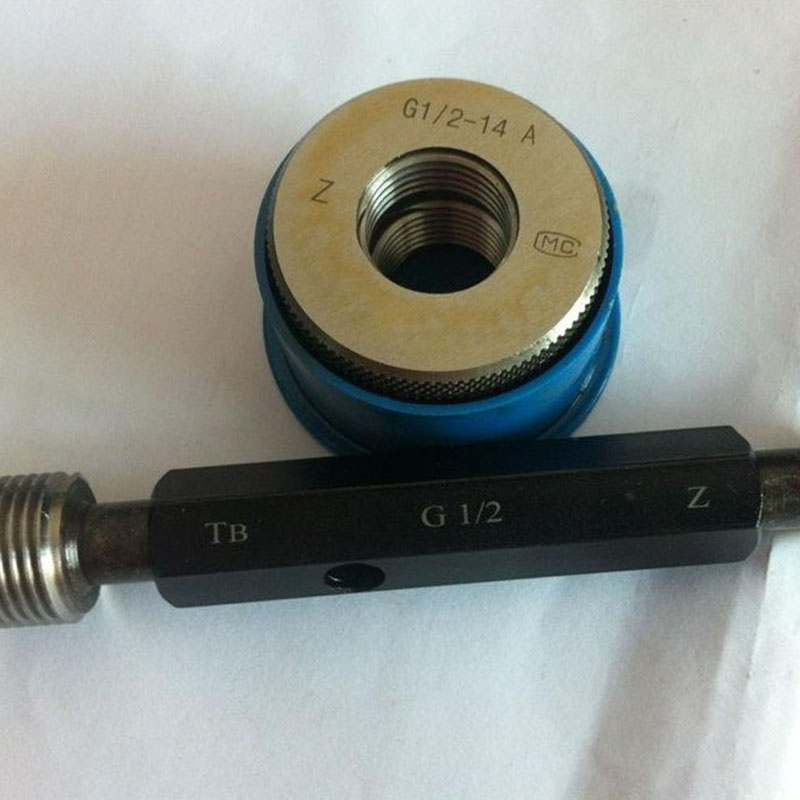
use of thread gauge
The Use of Thread Gauges Ensuring Precision in Manufacturing In the world of manufacturing and engin
Welded Globe Valve Applications and Benefits in Industrial Systems
Understanding Welded Globe Valves Functionality and Applications Welded globe valves are critical co
 English